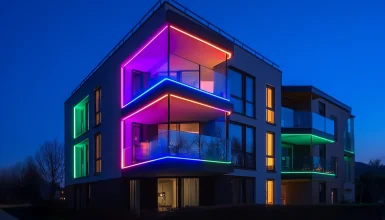
1. Smart and Dynamic Lighting Systems
Dynamic lighting systems that can change based on the time of day and environmental conditions are replacing traditional static lighting. Thanks to RGB LEDs and programmable control systems, buildings are gaining a more aesthetic and energetic appearance with varying color palettes and light effects.2. Experience-Oriented Facade Lighting
Lighting is no longer just a function but is emerging as an experience-oriented design element. With color, movement, and light play, the atmosphere of buildings can be modified to create unforgettable experiences for visitors. For example, facade lighting can be programmed to align with specific concepts during special days or events, adding dynamism to city life.3. Lighting Designs Integrated with Architecture
New trends include solutions that integrate lighting into the building's structure. For example, slender LED strips or specialized lighting modules embedded in building surfaces make lighting an aesthetic and functional part of architectural design. Facade lighting is no longer just an added element from the outside, but has become a design feature that is integrated with the architectural identity of the building.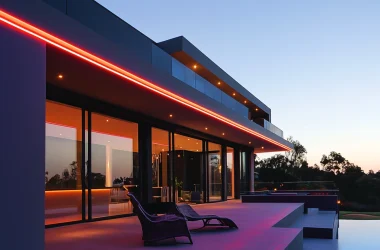
4. Adaptive Lighting and Personalized Experiences
User-centered adaptive lighting solutions are making urban spaces more inviting. For instance, the facade lighting of a square or shopping center can change based on visitor density or impact people with different concepts during specific time slots. Such customized lighting transforms cities into more dynamic and lively areas.
5. Nature-Inspired Lighting with Biophilic Design
Nature-inspired lighting designs aim to add a more natural and serene atmosphere to urban environments. Light flows responsive to wind movements, dynamic lighting systems that can adapt to daylight, or lighting concepts mimicking water waves will become more prevalent in the future. These approaches offer city dwellers the chance to connect with nature, making modern architecture more organic.