
Currently, IoT-integrated sensors are actively used across various sectors. However, the future of these technologies is set to surpass their current applications. Most of these developments are based on concrete projects being worked on by various universities, technology companies, and research institutions. Let’s take a look at the anticipated advancements in sensor technology, grounded in realistic studies in this field.
More Efficient, Safe, and Intelligent!

Fast and Efficient Data Processing with Edge Computing
At the forefront of current studies on IoT sensors is edge computing technology. This technology allows data collected by sensors to be processed on local devices instead of in the cloud. Smart automation systems can utilize this technology to locally process sensor data within facilities. The performance of devices, such as motion sensors, temperature, and humidity sensors, can be enhanced through edge computing. For example, rapid and efficient data processing is made possible even over wide areas using wireless protocols like LoRaWAN. This results in shorter response times for the systems and energy savings.
Ultra-Low Power Consumption Sensors
Energy efficiency is critical in IoT systems. Research on ultra-low power consumption sensors aims to allow these sensors to operate for extended periods without the need for an energy source. These sensors play an important role in smart agriculture applications by continuously monitoring data such as soil moisture and weather conditions, making irrigation and fertilization processes more efficient. Additionally, sensors that utilize renewable energy sources help in saving energy and contribute to sustainable agricultural practices.
Advanced Security Protocols and IoT Systems
As IoT systems become more widespread, cybersecurity threats are also increasing. Therefore, various research efforts are underway to improve security protocols. Through these security measures, data security is ensured, leading to the creation of more resilient systems against cyberattacks.

Faster and More Accurate Decision-Making
Predictive Maintenance Systems
Predictive maintenance applications are receiving significant attention in smart automation systems. This technology performs analyses based on data collected by sensors to predict and facilitate preventive maintenance for potential machine failures. In the industrial automation sector, data from temperature and pressure sensors are utilized for this purpose, ensuring that production processes continue seamlessly and efficiently.

Precision Agriculture and Smart Irrigation Systems
In the agriculture sector, one of the biggest innovations offered by digital sensors and IoT integration is precision agriculture and smart irrigation systems. These systems utilize data from devices like soil moisture sensors and weather sensors to perform optimal irrigation and fertilization. Precision agriculture systems enable water and resource conservation, leading to more efficient and sustainable farming practices.
Robotic and Autonomous Production Systems
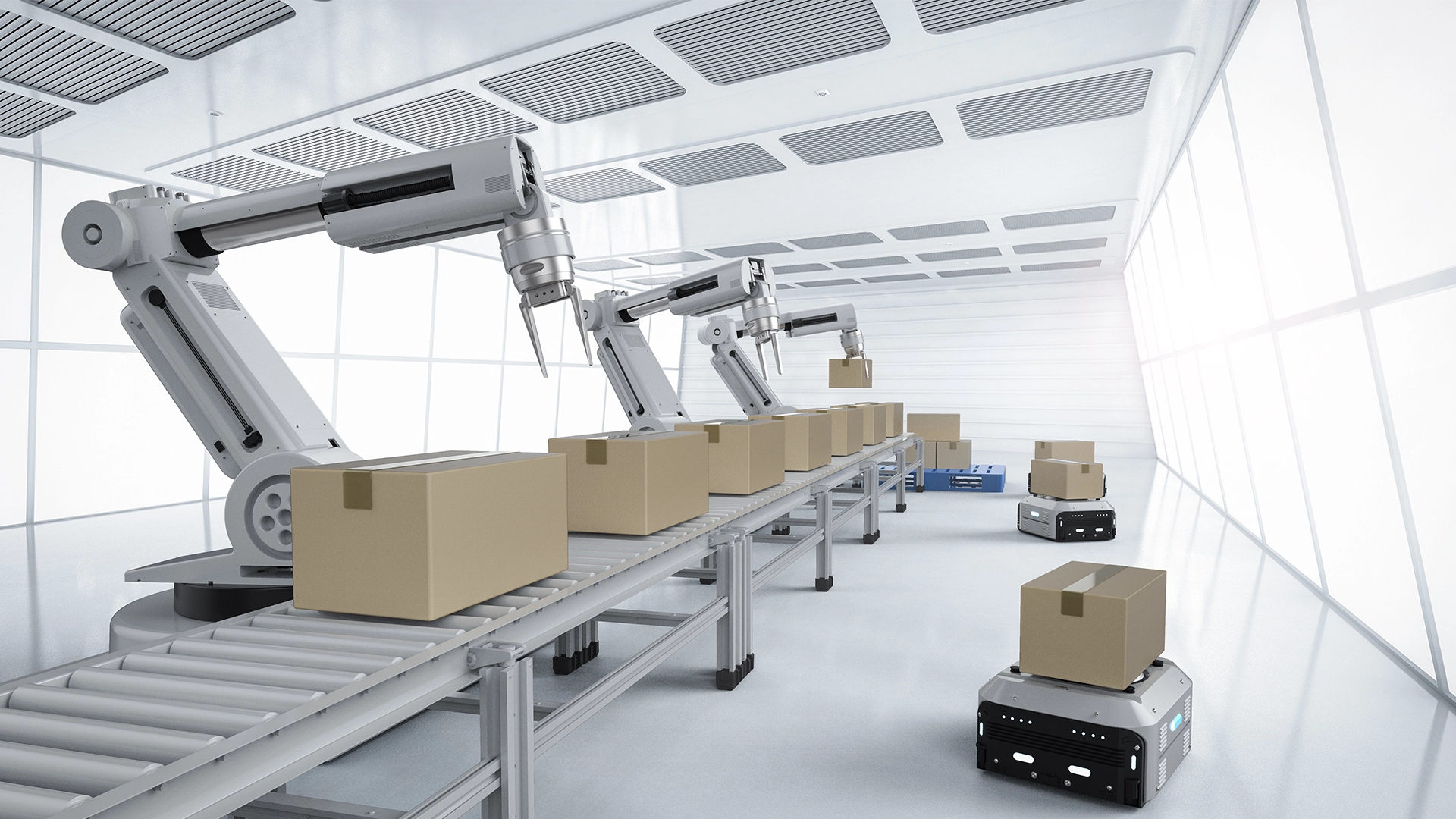
With the Industry 4.0 revolution, robotic automation systems are rapidly advancing. Sensors are used to guide robots on production lines and optimize processes. Low-power radio frequency protocols like RF 433 gather sensor data remotely, enhancing production efficiency. At the same time, robots equipped with sensors take on tasks that are dangerous for humans, thereby improving job safety.
Sensors Prepared for Tomorrow
Smart automation sensors are currently being developed through numerous innovative projects. Research in areas such as edge computing, ultra-low power consumption sensors, advanced security protocols, predictive maintenance systems, precision agriculture, and robotic automation will ensure these technologies become smarter, more efficient, and safer in the future. Sensors used in smart home systems, industrial automation, healthcare, and the automotive industry will benefit directly from these developments. Projects led by tech giants, research institutions, and universities will contribute to accelerating digital transformation in every facet of life.