
Today, energy-efficient intelligent facility automation systems play a critical role in modern buildings to increase sustainability and reduce operating costs. These systems automate the control of lighting, heating, cooling, humidity, ventilation and water, ensuring efficient use of each resource. One of the most important developments in smart facility management applications is digital twins. In this article, we will discuss how we can increase energy efficiency with the concept of digital twins and how they are used in smart facility automation systems.
What is a Digital Twin?
A digital twin is a virtual copy of a physical object, system or facility. This virtual model is continuously updated with real-time data and simulates the behavior of the object or system in the physical world in a digital environment. In industrial facilities, digital twins can create virtual models of machines, buildings and even entire plants. These models enable plant managers to monitor plant performance, predict maintenance needs and make optimized decisions.
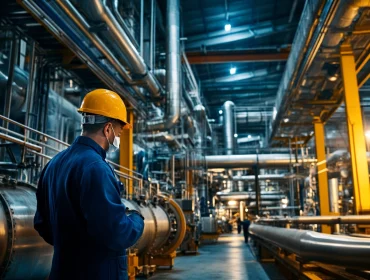
Smart Facility Automation Systems Enabling Energy Efficiency with Digital Twins
Intelligent plant automation systems provide energy efficiency by using sensors and control systems that are sensitive to environmental factors. These systems offer the most efficient solutions in energy-intensive areas such as heating, cooling, humidity, ventilation and lighting. Digital twins are a tool that further increases the efficiency of these systems. Here are some examples of how digital twins integrate with energy-efficient smart systems:

Heating and Cooling Management: In smart installations, digital twins are used to optimize the heating and cooling systems of buildings. With real-time data, digital twins monitor indoor temperature and make adjustments that improve energy efficiency based on current weather conditions. For example, the temperature levels of rooms can be lowered or raised depending on sunlight. These processes minimize energy losses, resulting in more cost-effective and environmentally friendly energy consumption.
Ventilation and Humidity Control: Digital twins continuously monitor air quality and humidity levels indoors. Ventilation systems can optimize the circulation of air in line with the simulations of digital twins. Likewise, humidity levels are also monitored via digital twins, ensuring the most efficient humidity control. This helps to improve indoor air quality, especially in enclosed spaces, which is important for health and comfort.

Lighting Control: Digital twins can make intelligent lighting systems more efficient by monitoring light levels. Light levels are dynamically adjusted according to the occupancy of the rooms. For example, if there is no one in a room, the lighting is automatically turned off. In addition, indoor lighting levels are also optimized depending on the daylight outside, thus avoiding unnecessary energy consumption.
Water Consumption and Management: Smart plant automation systems monitor water consumption with digital twins. In this way, water leaks and waste are detected. By optimizing water use, digital twins monitor the plant’s water consumption in real time and save water as well as energy consumption.
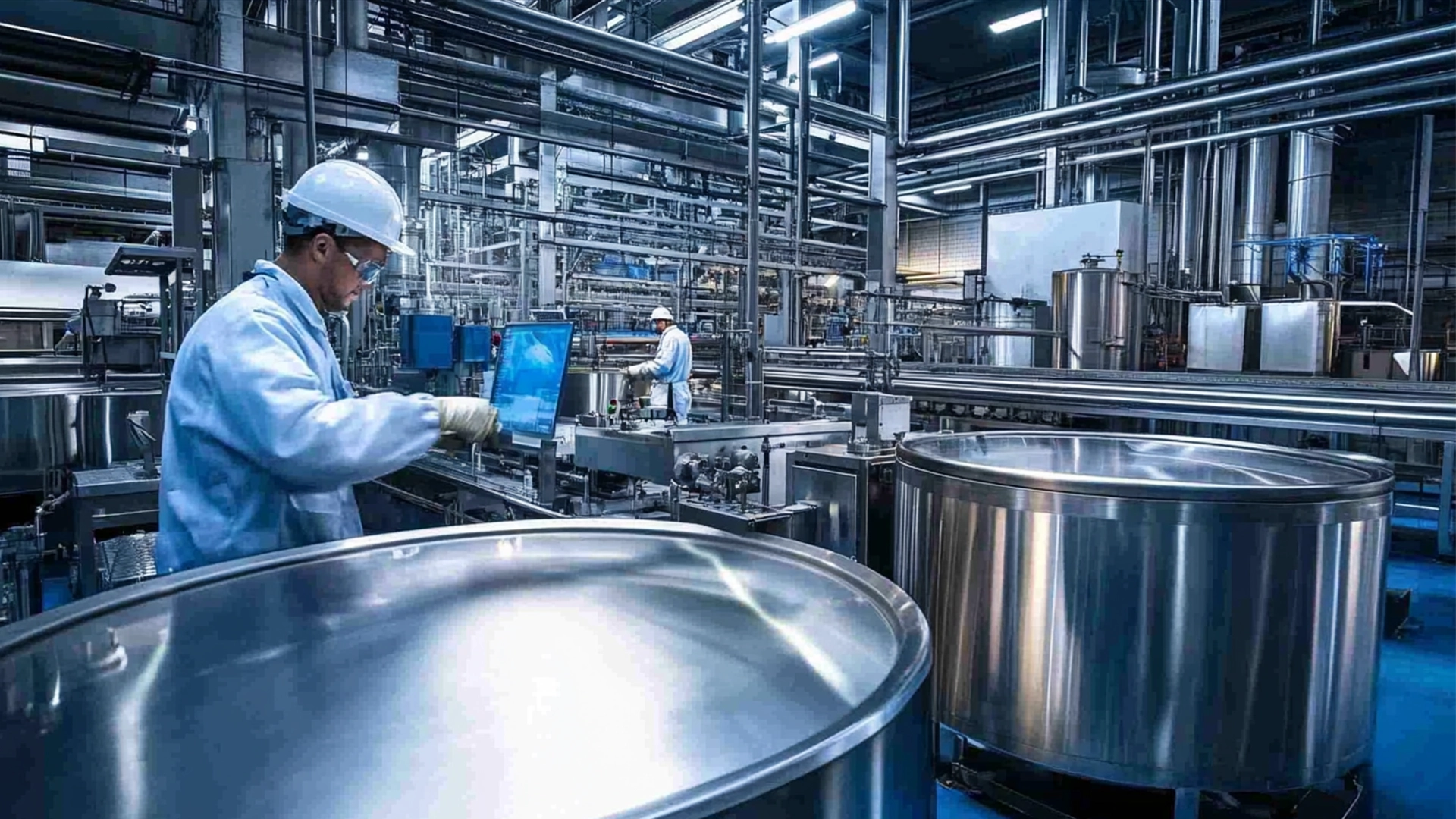
Digital Twins’ Role in Reducing Carbon Footprint
Equipping smart plants with digital twin technology also has a major impact on reducing carbon footprint. Achieving energy efficiency not only reduces costs, but also contributes to sustainability by offering environmentally friendly solutions. Digital twins continuously analyze the operating conditions of the plant to minimize energy consumption and eliminate unnecessary consumption. As a result, plants become greener, more efficient and more sustainable.
The Future of Digital Twins
Digital twin technologies are becoming a cornerstone of smart plant automation systems. They are a highly effective tool for improving energy efficiency, achieving sustainability goals and reducing operational costs. In 2024 and beyond, digital twins will enable facility managers to make more informed, data-driven decisions and maximize operational efficiency. Optimizing both energy and water consumption, these technologies will play an important role in the future of smart buildings.


