What is SPI (Serial Peripheral Interface) Protocol?
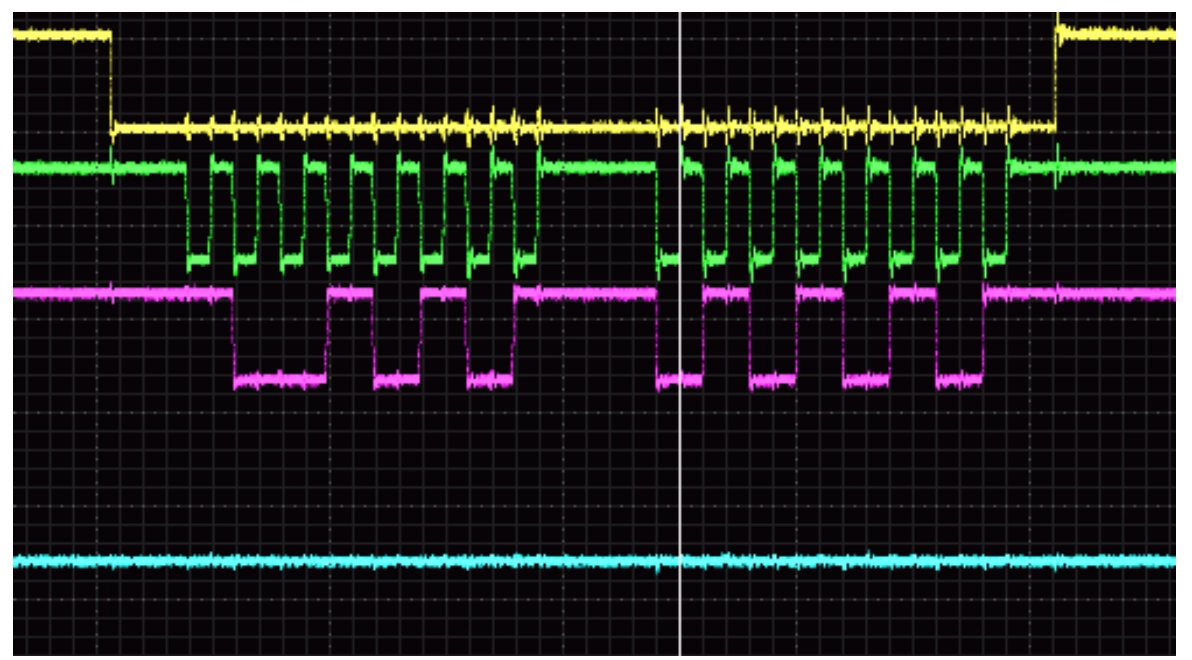
LEDs are one of the key components used in many electronic devices today. Various driver protocols are used to control LEDs. One of these protocols is the SPI (Serial Peripheral Interface) protocol. SPI is a single-line communication protocol that allows LEDs to be controlled via serial communication. The SPI protocol is commonly used to enable data communication between microcontrollers and other integrated circuits.
What are the Characteristics of the SPI Protocol?
Key features of the SPI protocol include single-line communication, high-speed data transfer, full-duplex communication and low cost. In single-line unidirectional LED drivers, the SPI protocol is used to control the LEDs. The microcontroller or other control devices can send commands to the LED driver using the SPI protocol and change the brightness level, colors or effects of the LEDs.
The single-line nature of the SPI protocol ensures that only one communication line is used for data transmission. This simplifies circuit design and reduces cost. In addition, single-line communication increases the speed of data transmission and makes communication more efficient.
What are the Advantages and Disadvantages of the SPI Protocol?
One of the advantages of the SPI protocol is that it requires fewer pins than parallel data transmission. This is advantageous for the design of integrated circuits and the reduction of traces on the PCB.
The SPI protocol enables instantaneous control of LEDs thanks to its high-speed data transmission capability. This is especially important in applications that use animated effects. Thanks to the SPI protocol, the colors and brightness of the LEDs can be changed on the fly, so that visual effects can be displayed more fluidly.
Full bi-directional communication capability allows both the master device to send data to the slave devices and the slave devices to send data to the master device. With this feature, all data required for the control of LEDs is transmitted both from the master to the slave devices and from the slave devices to the master device. This makes communication more reliable.
Another reason why SPI protocol is preferred for LED drivers is its low cost. The hardware and software components required for the SPI protocol are fairly common, which reduces costs. Furthermore, single-line communication simplifies circuit design and reduces material costs.
However, the SPI protocol also has some disadvantages. Noise problems can occur, especially when transmitting data over long distances. Also, the unidirectionality of the SPI protocol can make it difficult to get feedback. Therefore, in some applications, different communication protocols may be preferred considering these disadvantages.
Where is SPI Protocol Used?
In single-line unidirectional LED drivers, the SPI protocol is often used in areas such as industrial lighting, billboards, decorative lighting and stage lighting. The flexible nature of the SPI protocol makes it possible to realize different effects, making it possible to control LEDs in a visually appealing way.
Controlling LEDs with SPI at High Speed and Low Cost
The SPI protocol is an ideal communication protocol for single-line LED drivers. Single-line communication, high-speed data transfer, full-duplex communication and low cost make it a highly suitable option for controlling LEDs. With these features, the SPI protocol is the preferred communication protocol for controlling LEDs in many applications today.



 Sitemizden en iyi şekilde faydalanabilmeniz için çerezler kullanılmaktadır. Bu siteye giriş yaparak çerez kullanımını kabul etmiş sayılıyorsunuz
Close
Sitemizden en iyi şekilde faydalanabilmeniz için çerezler kullanılmaktadır. Bu siteye giriş yaparak çerez kullanımını kabul etmiş sayılıyorsunuz
Close


