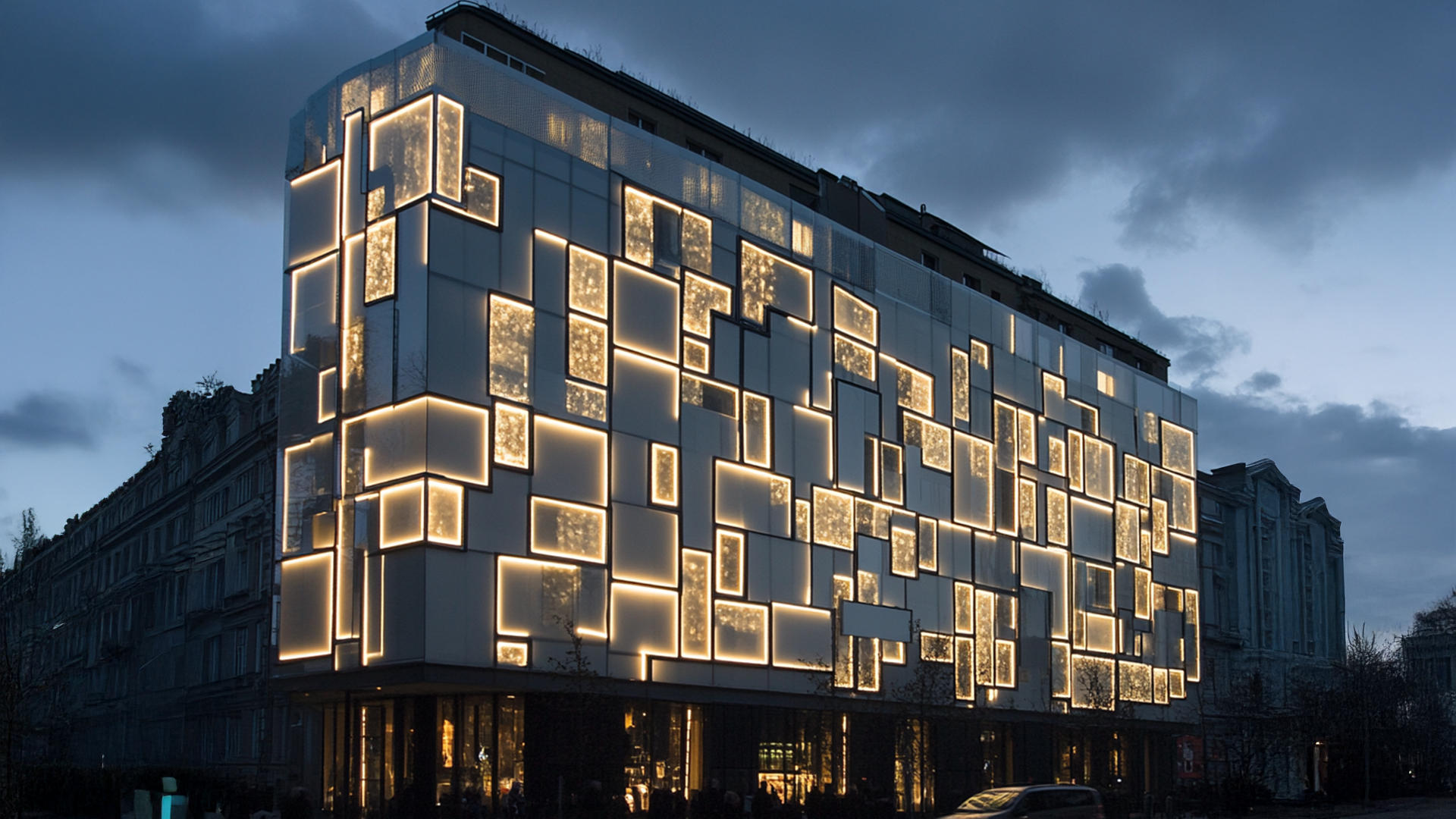
Facade lighting is no longer just about highlighting a building with light, but a form of storytelling. Color transitions, moving patterns, even time-based animations make buildings breathe. But behind these impressive visuals, there is an unseen but indispensable hero: repeater systems.
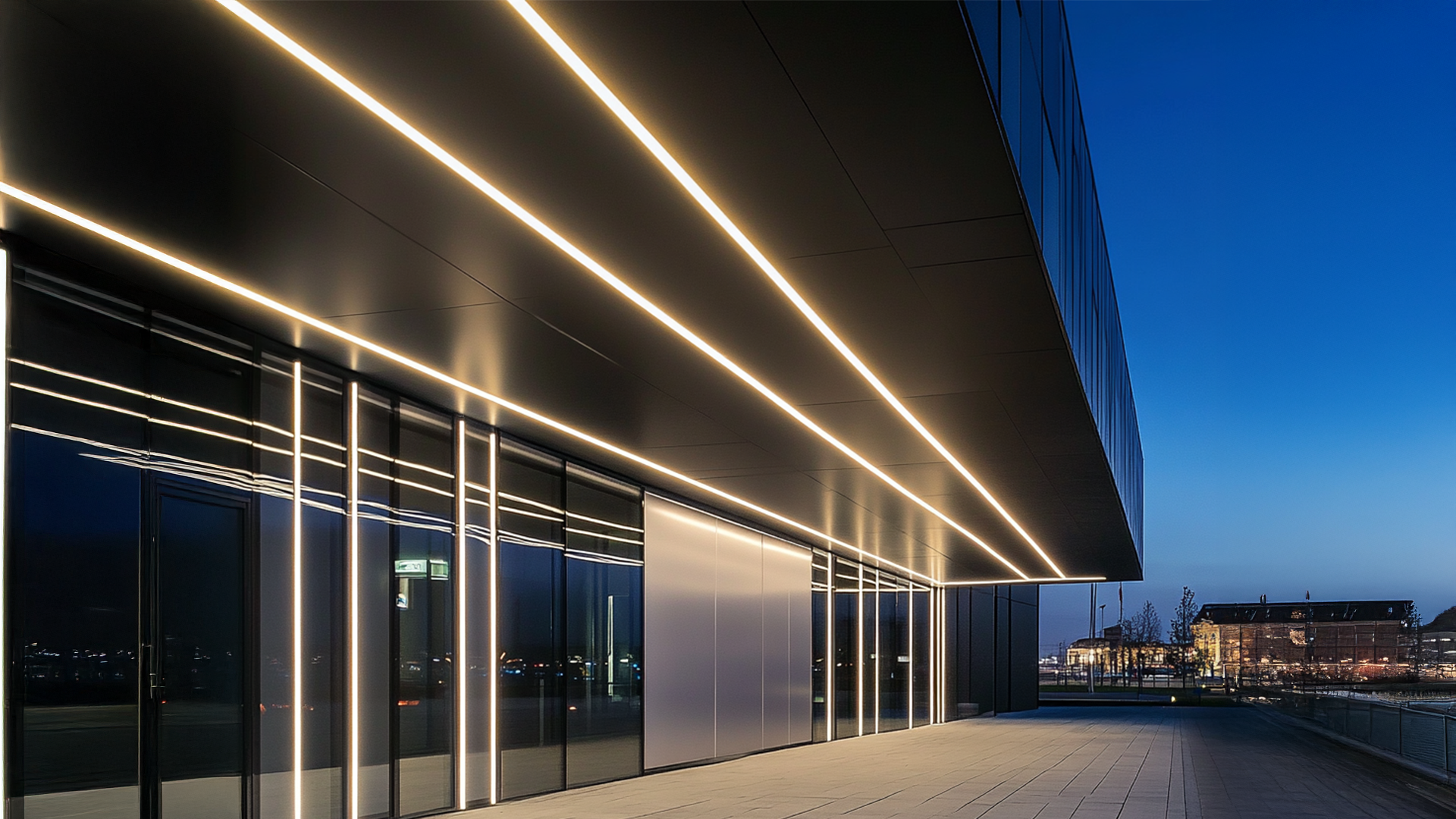
Repeaters come into play to ensure that the signal is accurate, strong and timely in the lighting lines that spread throughout the building. Without them, animations break, lights are delayed, effects work incompletely.
What is a Repeater and What Does It Do?
Why is it Necessary in Facade Animations?
What Happens Without a Repeater?
However, lighting needs to be balanced not only with energy efficiency but also with comfort. Systems that do not strain the eyes, prevent glare, and dim or brighten as needed create both sustainable and user-friendly urban environments.
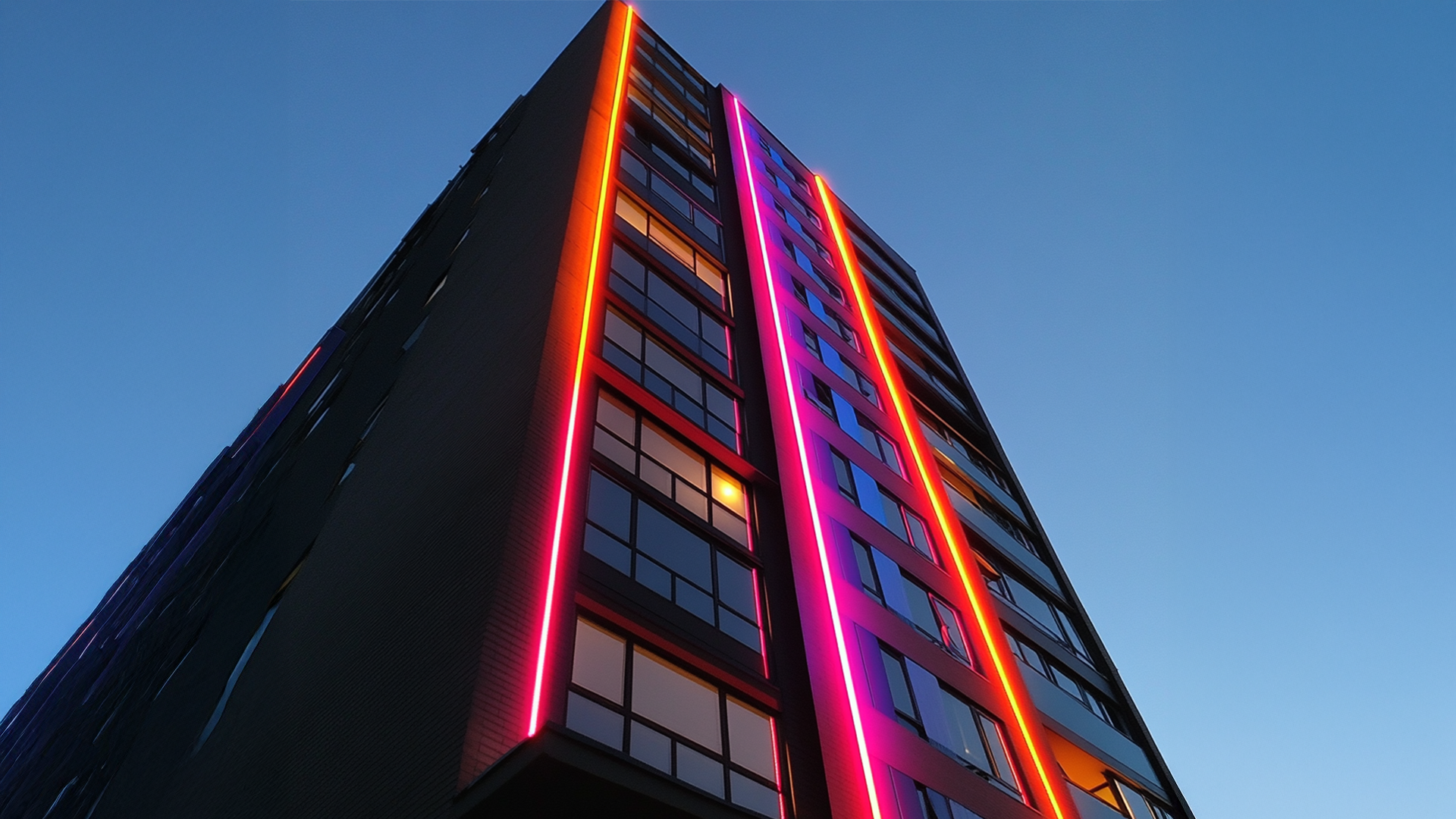
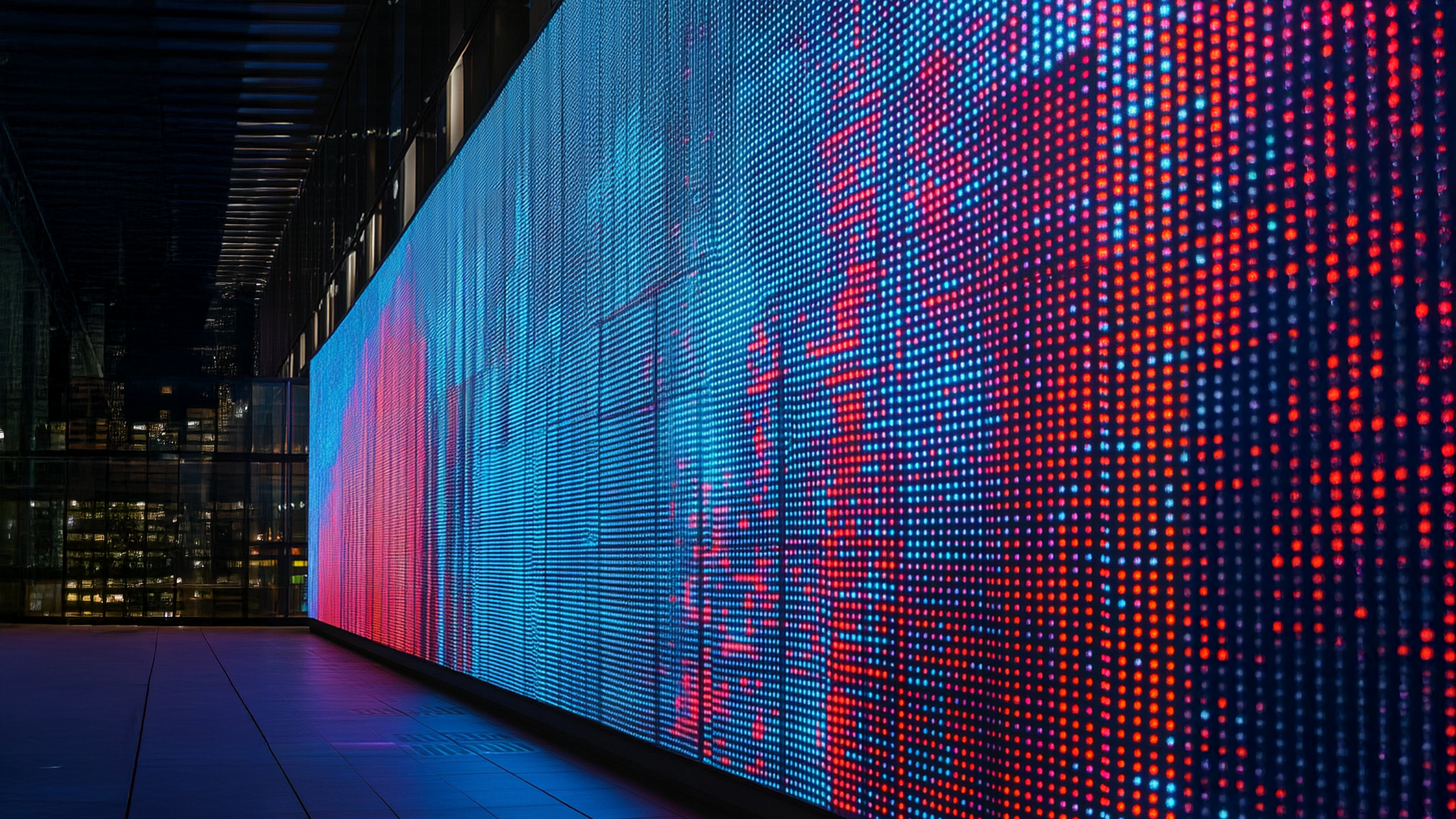
Where the signal is weak, commands are transmitted incompletely. This causes some luminaires to either not work at all or to light up in the wrong color. Animations are scattered, transitions are distorted and the visual impact of the building is lost. Especially in large projects spanning multiple facades, this creates a noticeable aesthetic collapse.
And these problems are not just aesthetic. Fault tracking becomes difficult, maintenance costs increase, and the overall reliability of the system decreases. Repeater systems prevent these problems and provide a long-lasting and stable structure.
What to Consider When Choosing a Repeater?