
In today’s world where IoT technologies are spreading rapidly, LoRaWAN (Long Range Wide Area Network) stands out as a prominent communication protocol. With its low energy consumption, long range capacity and economic costs, LoRaWAN offers unique advantages in industrial areas. In this article, we will take a look at different industrial applications of LoRaWAN.

Smart City Solutions
LoRaWAN stands out as the cornerstone of smart city applications. By offering a low-cost and energy-efficient communication network between sensors and devices, it enables cities to become more efficient and livable.
Thanks to smart lighting systems, street lights throughout the city can be monitored and controlled. This reduces energy consumption and ensures continuity. In traffic management, LoRaWAN-based sensors help prevent congestion by analyzing traffic flow. At the same time, air pollution levels can be monitored in real time with air quality monitoring systems.

LoRaWAN in Agriculture
The agricultural sector is one of the areas that benefits the most from LoRaWAN. Farmers can optimize irrigation processes with sensors that monitor soil moisture levels, while animal tracking becomes possible with this technology. LoRaWAN-based early warning systems enable more effective and timely intervention in the fight against pests.
Energy and Environmental Monitoring Practices
In the energy sector, LoRaWAN offers an effective solution in areas such as smart meters and renewable energy systems. These systems, which monitor electricity, water and gas usage, automate data collection and calculation processes, reducing costs and increasing accuracy. It also stands out as an effective technology for critical environmental issues such as forest fires and monitoring water resources.
LoRaWAN Comparison with Alternatives
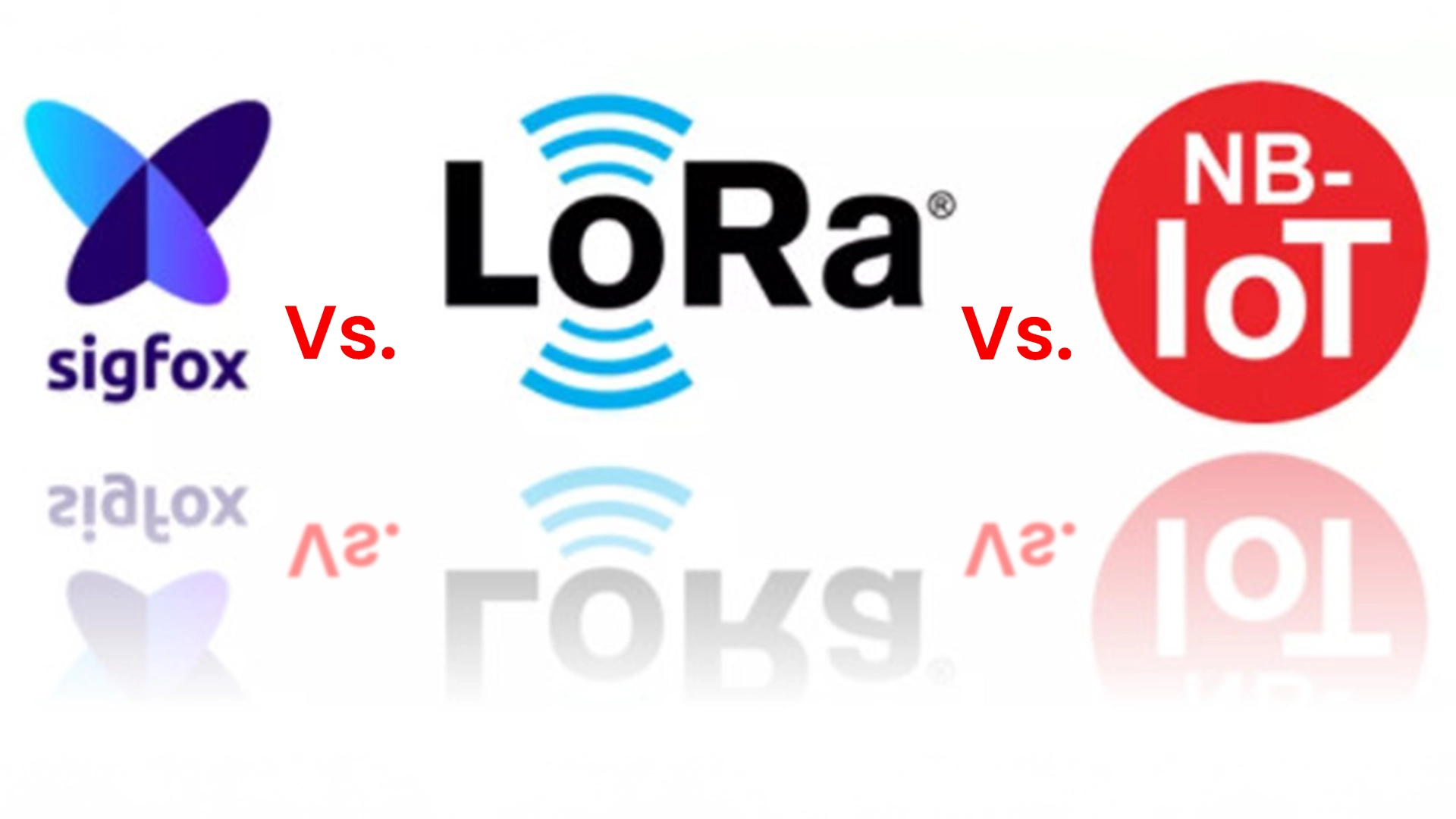
Alternatives to LoRaWAN include technologies such as NB-IoT (Narrowband IoT) and Sigfox. NB-IoT can offer higher data speeds while requiring a higher capacity infrastructure as it operates over cellular networks. However, this can increase energy consumption and coverage issues in remote areas. Sigfox, like LoRaWAN, has low bandwidth but requires a license, which can increase costs. LoRaWAN is often touted for its use of unlicensed frequencies, flexibility for companies to build private networks, and energy efficiency.
Why LoRaWAN?
LoRaWAN’s long range capability, low energy consumption and economical nature make it an ideal choice for industrial applications. The battery-powered devices can last for years and the network’s ability to support thousands of devices makes it possible to use it in a wide range of different industries.
Power Center of Digital Transformation
From smart cities to agriculture and energy, LoRaWAN supports industrial transformation by providing innovative solutions in a wide range of fields. This technology, which continues to play an important role in creating more efficient, sustainable and economic systems, opens the door to a new era in different industries. You can benefit from this transformation by implementing LoRaWAN-based IoT solutions in your industry!


