
Smart cities make the best use of technology to improve quality of life and save energy.
In this context, smart lighting systems play an important role.
In particular, software that enables the management of terminal units makes it possible to control the lighting infrastructure in the city more efficiently and effectively.
Here are some of the key benefits offered by this software:
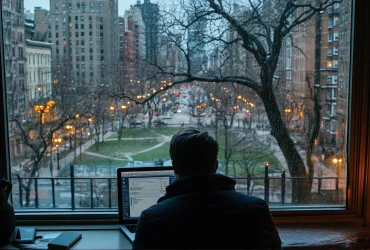
Real-Time Data and Instant Control
Smart lighting software continuously collects data from each light pole.
This data includes light levels, ambient conditions and energy consumption.
Using this data, the software determines how much light is needed at each point in the city.
For example, when traffic on a street is reduced late at night, the software automatically dims the lights.
This prevents unnecessary energy consumption and reduces the city’s energy costs.
At the same time, adjustments made on the fly using this data also improve city safety.
Ease of Management from a Distance
Smart lighting systems allow managing all lighting poles in the city from a central control panel.
This means monitoring and controlling the entire lighting infrastructure from a single point, even in large cities.
When a malfunction or maintenance need occurs, the software immediately detects it and sends a notification to the relevant maintenance team.
In this way, problems are solved quickly and interruptions in the lighting system are minimized.
It also makes regular maintenance of the lighting system much easier.
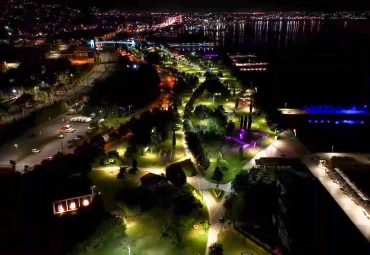
Flexible and Scalable Structure
Smart lighting software can easily scale with the growth of cities and changing needs.
A system that is initially used only on a few streets can be expanded to cover the entire city over time.
The software updates existing infrastructure while integrating new lighting poles and sensors.
This flexibility allows cities to quickly adapt their systems as they grow or their needs change.
Thus, cities’ lighting systems can have a wider scope over time.
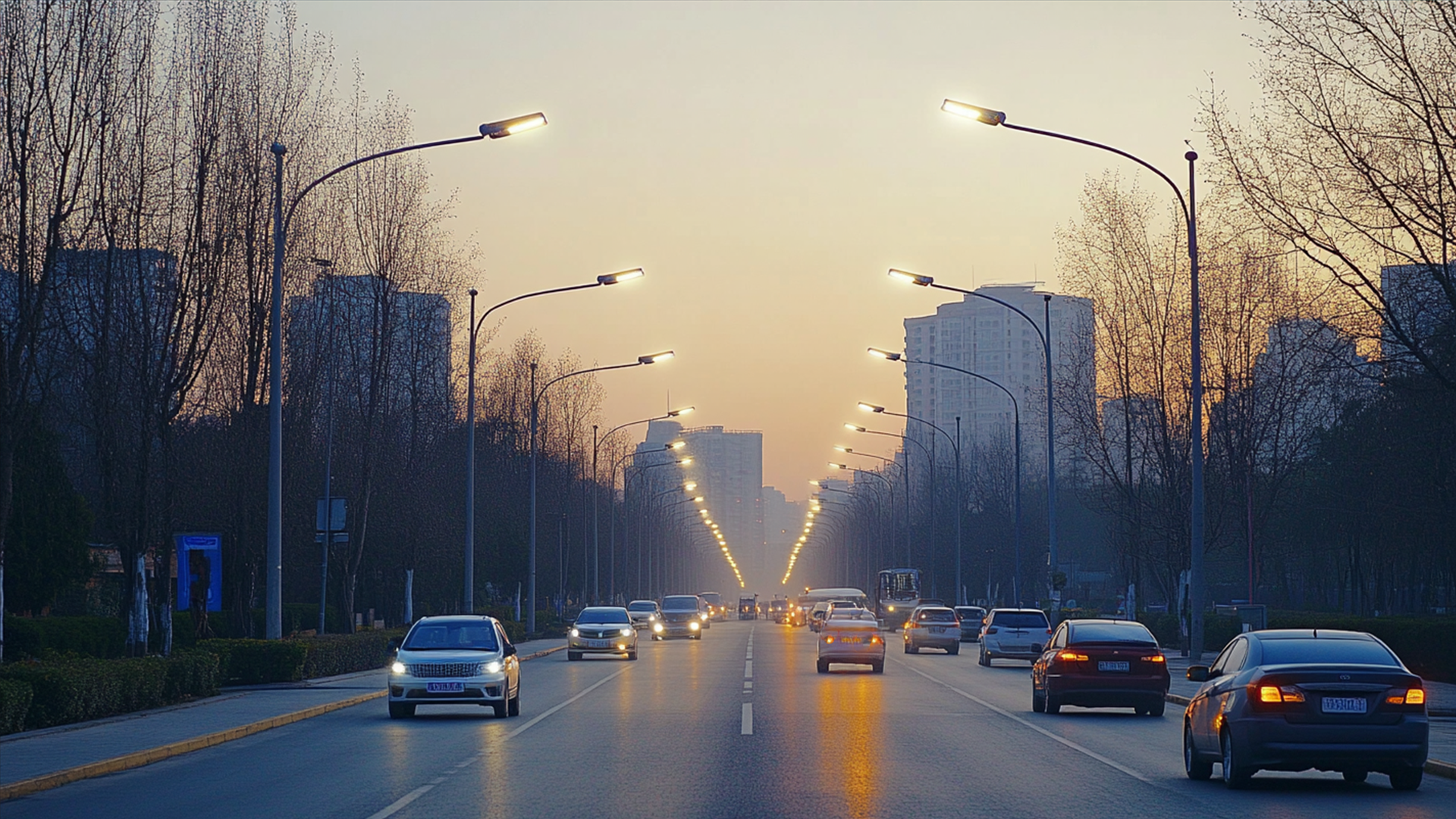
Dynamic Lighting Scenarios
Smart lighting software allows you to create various lighting scenarios in the city.
For example, lights can be made brighter during peak traffic hours or special events.
Lights can be dimmed automatically late at night or when traffic is low.
These dynamic scenarios not only save energy but also meet aesthetic and safety needs in the city.
The software can set these scenarios based on specific programs or data from sensors.
Automatic Updates and Fault Management
Smart software can automatically perform regular updates and maintenance of lighting terminals.
The software detects software problems in the terminals and automatically installs the necessary updates.
In addition, any malfunction is immediately detected and the relevant teams are notified for intervention.
This feature ensures that the systems remain in good condition at all times and that potential failures are quickly resolved.
In this way, the operational continuity of lighting systems is maintained.
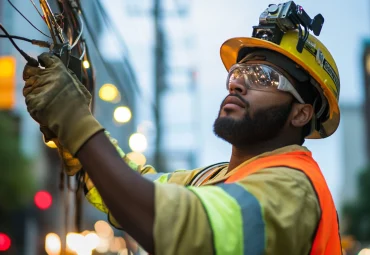
Optimizing Energy Use
Smart lighting software monitors and optimizes the energy consumption of each terminal.
The system ensures that lights only come on when needed and at sufficient levels.
For example, lights automatically turn on when it gets dark and turn off when it is bright enough.
This keeps energy consumption to a minimum and reduces energy costs for cities.
In addition, this approach makes more efficient use of energy resources and reduces environmental impact.

Contribution to Modernization
Smart city lighting software enables more efficient and effective control of the lighting infrastructure of cities with various features they offer in the management of terminal units.
Advantages such as real-time data collection, remote management, flexibility, dynamic scenarios and automatic maintenance increase energy savings in cities while maintaining safety and aesthetics.
Smart lighting systems contribute to the modernization of cities, offering a more sustainable and aesthetic living space.


