
The Science Behind Modern Technologies
Electronic circuit design is a fundamental science that lies at the heart of the technological devices that shape our daily lives. All kinds of electronic devices, from smartphones to spacecraft, are the product of complex electronic circuits.
Concepts and Principles
Electronic circuit design is the art of combining electrical components to create systems that perform a desired function. These components include resistors, capacitors, transistors, integrated circuits and many more. Basic electronic circuit theories allow us to understand how these components are put together and how they interact.
Fundamentals of Electronic Circuit Design
Electronic circuit design requires basic knowledge of electronics and an understanding of math and physics. The design process usually starts with drawing a circuit diagram. The circuit board design is then based on this schematic.
Circuit Diagram Design
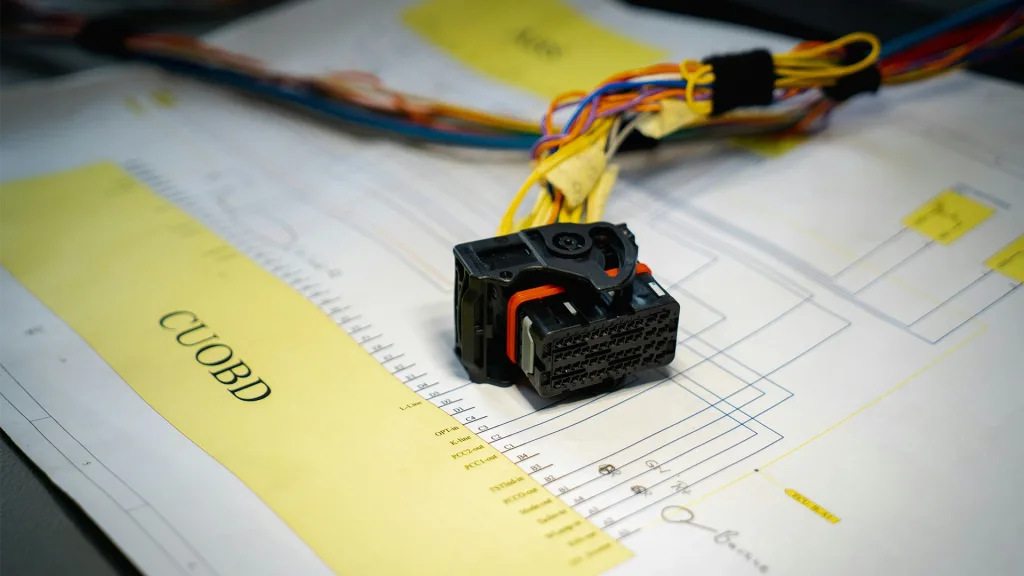
A circuit diagram is a diagram showing the components and connections of an electronic circuit. The circuit diagram is the basis for understanding how the circuit works and planning how to build it.
Circuit Board Design
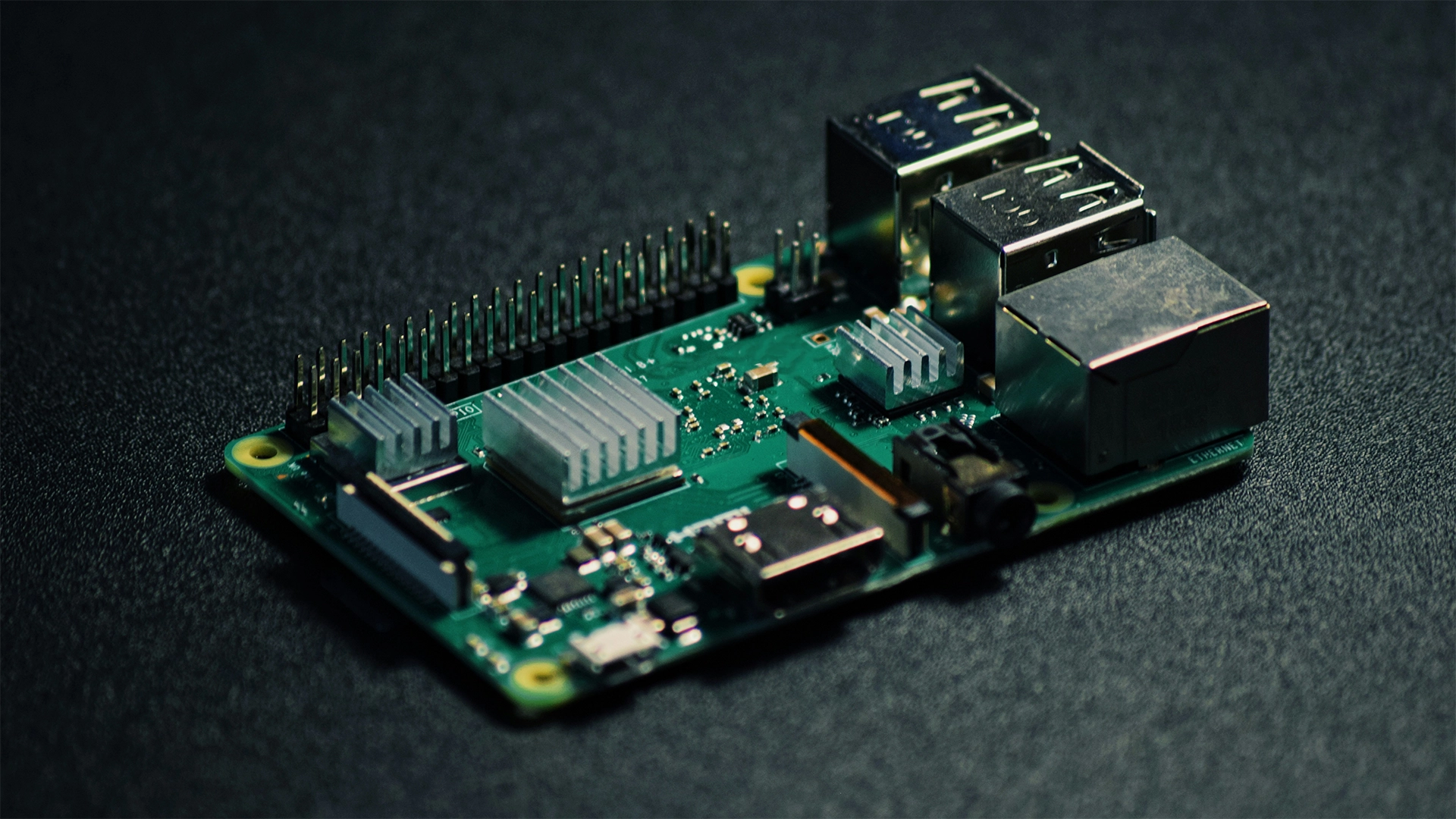
A circuit board is the physical structure that brings together the components of an electronic circuit. The circuit board is designed and manufactured according to the circuit diagram.
Importance of Electronic Circuit Design
Electronic circuits are indispensable building blocks of the modern world. Electronic circuits are used in every field from medical devices to communication tools, from automotive to defense industry. These circuits enable technological progress by providing optimal solutions in terms of efficiency, speed, size and cost.
Electronic Circuit Design Methods and Tools
Electronic circuit design is based on two main approaches: traditional methods and modern methods.
1- Traditional Methods: Traditional methods are based on graphical design tools and manual calculations. These methods are time-consuming and error-prone for the design of complex circuits.
2- Modern Methods: Modern methods use tools such as computer-aided design (CAD) software, simulation programs and prototyping techniques. These tools allow designers to design complex circuits more quickly and accurately.
Current Trends and Future Electronic Circuit Design
Electronic circuit design is a constantly evolving field. Miniaturization, high performance and low energy consumption are some of the most important trends in this field. Moreover, new technological developments such as flexible electronics, wearable technologies and IoT (Internet of Things) are taking electronic circuit design to new heights.
Technological Key to the Future
Electronic circuit design is the foundation of technological innovation and is becoming more and more important every day. Advances in this area are paving the way for smarter, faster and more efficient electronic devices. Competence in electronic circuit design requires not only technical knowledge and skills, but also creativity and a desire for continuous learning. Specializing in this exciting and dynamic field offers great opportunities to both understand current technologies and shape the technologies of the future.


