Historical buildings are unique structures that carry the aesthetic understanding, architectural details and cultural traces of the period they belong to. Today, these buildings are recognized not only as architectural wonders but also as a part of our cultural heritage. Facade lighting in historical buildings is an effective way to increase the visibility of this heritage and to highlight the identities and unique details of the buildings. So, what should be considered when making facade lighting in historical buildings?
1. Protection of the Historical Texture
Historic buildings are open to change over time and to wear and tear due to environmental influences. For this reason, it is important that the light sources used in lighting planning do not damage the structure and do not distort the texture and colors. Modern LED technology contributes to the preservation of the historical texture with its low energy consumption and minimum heat generation.
2. Highlighting Details
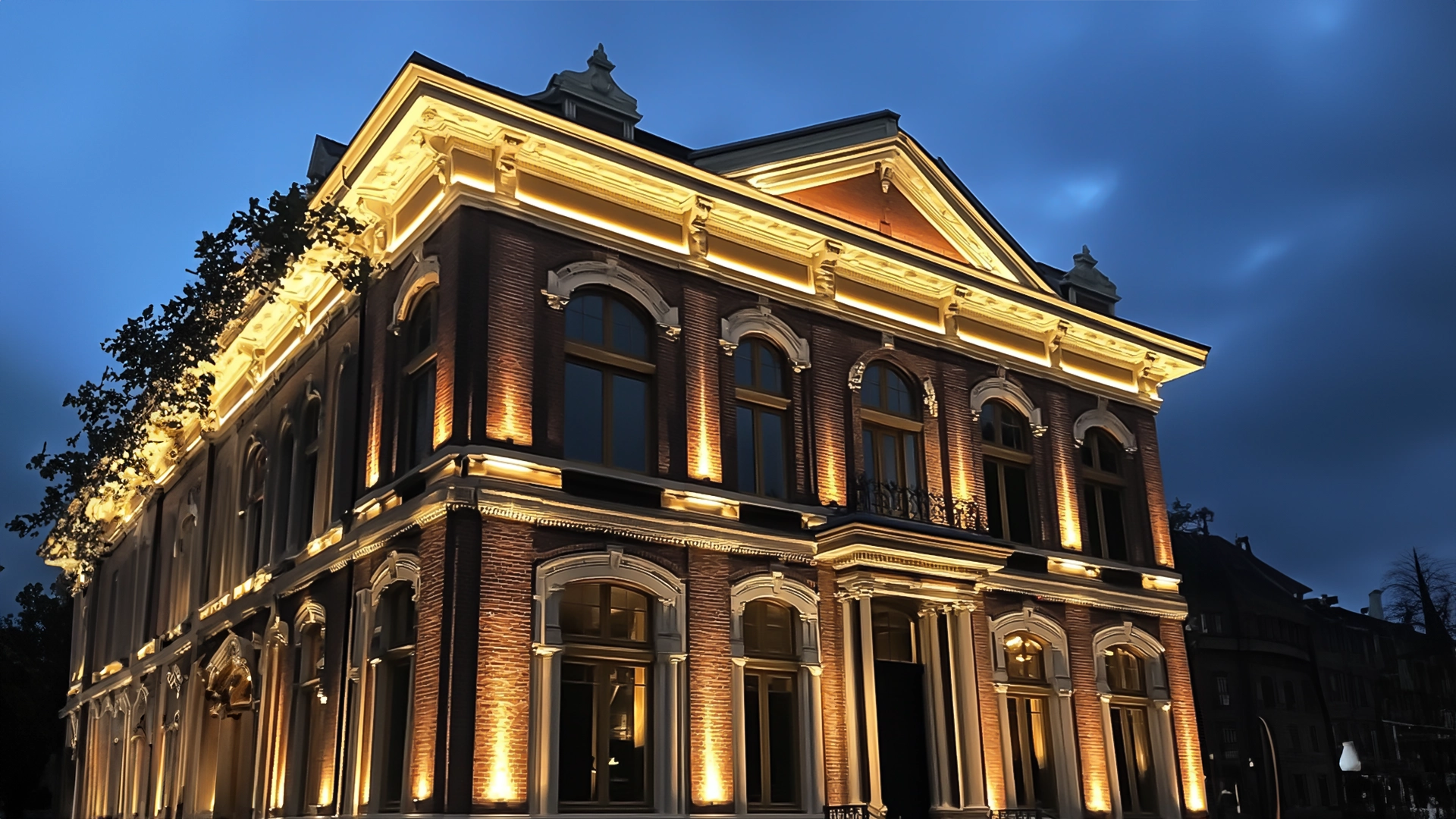
Historical buildings are equipped with details such as arches, columns, carvings and reliefs, each of which has an artistic value. Highlighting these details in lighting design emphasizes the grandeur and aesthetics of the building. For example, arches can be gently sidelighted, while carvings or reliefs can be dramatically illuminated from below or above.
3. Color and Tone Selection
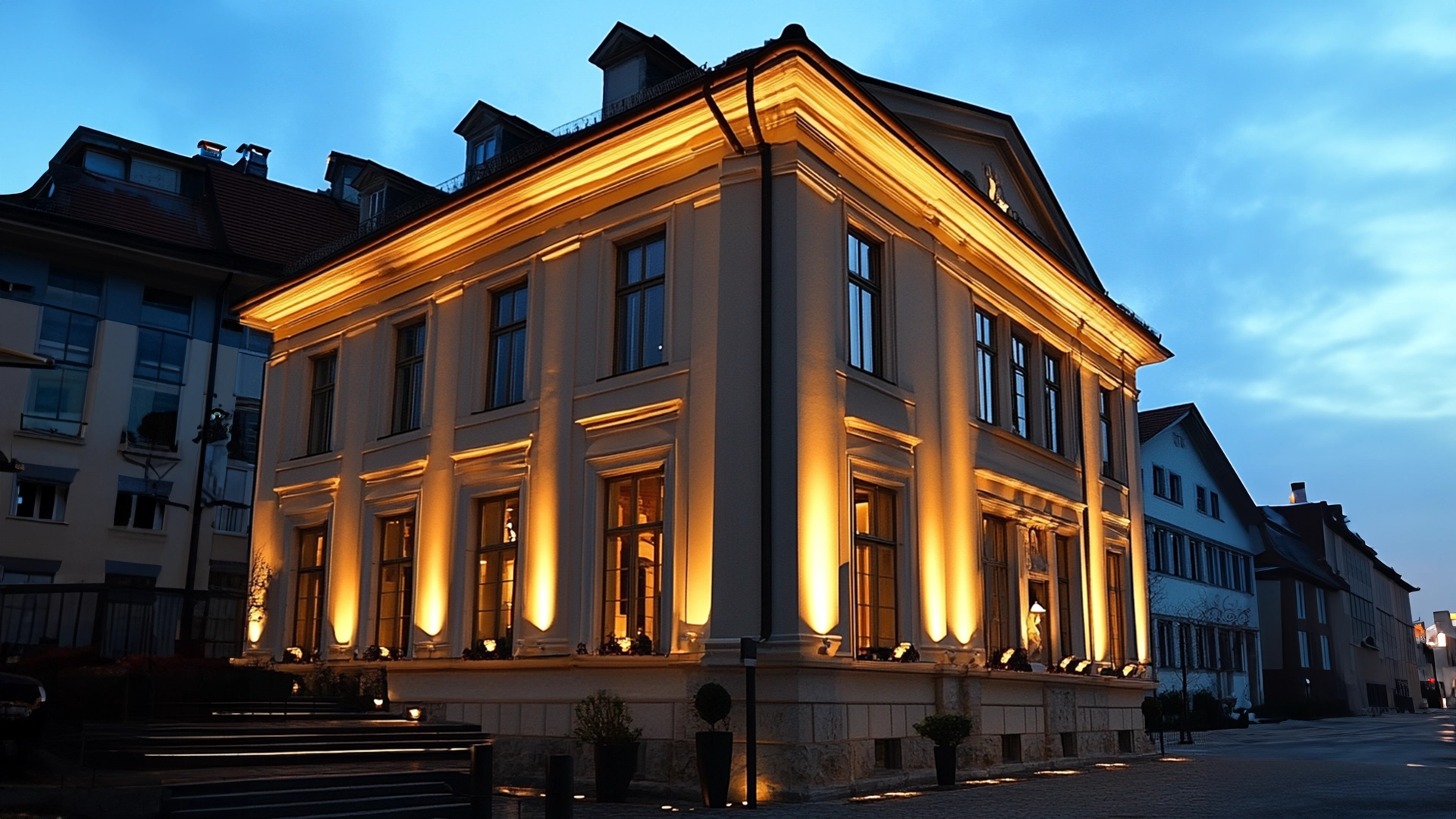
The materials used in historical buildings and the environment in which the building is located determine the choice of color and tone in facade lighting. Lighting with overly bright or overly saturated colors can overshadow the naturalness of the historical building. Instead, warm and soft white tones provide a more natural look.
4. Light Pollution and Lighting Control
When lighting the facade, it is important not to cause light pollution and to provide a balanced environment with the surrounding natural and artificial lights. In order to prevent unnecessary scattering of light, it is necessary to use energy efficiently with controllable systems and directional apparatus.
5. Design Suitable for Historical Identity
When lighting a historic building, its historical and cultural identity should be taken into consideration. A historic building also tells a story; therefore, the character of the building should be reflected by preserving the original texture of the building with lighting.
Art Carrying the Traces of the Past into the Night
Facade lighting in historical buildings is an art that aims to preserve aesthetic and cultural heritage. Thanks to the right techniques and designs, these buildings continue to amaze even under the night lights. These illuminations act as a bridge that carries the past to the present and illuminates the future in the light of history.



 Sitemizden en iyi şekilde faydalanabilmeniz için çerezler kullanılmaktadır. Bu siteye giriş yaparak çerez kullanımını kabul etmiş sayılıyorsunuz
Close
Sitemizden en iyi şekilde faydalanabilmeniz için çerezler kullanılmaktadır. Bu siteye giriş yaparak çerez kullanımını kabul etmiş sayılıyorsunuz
Close


