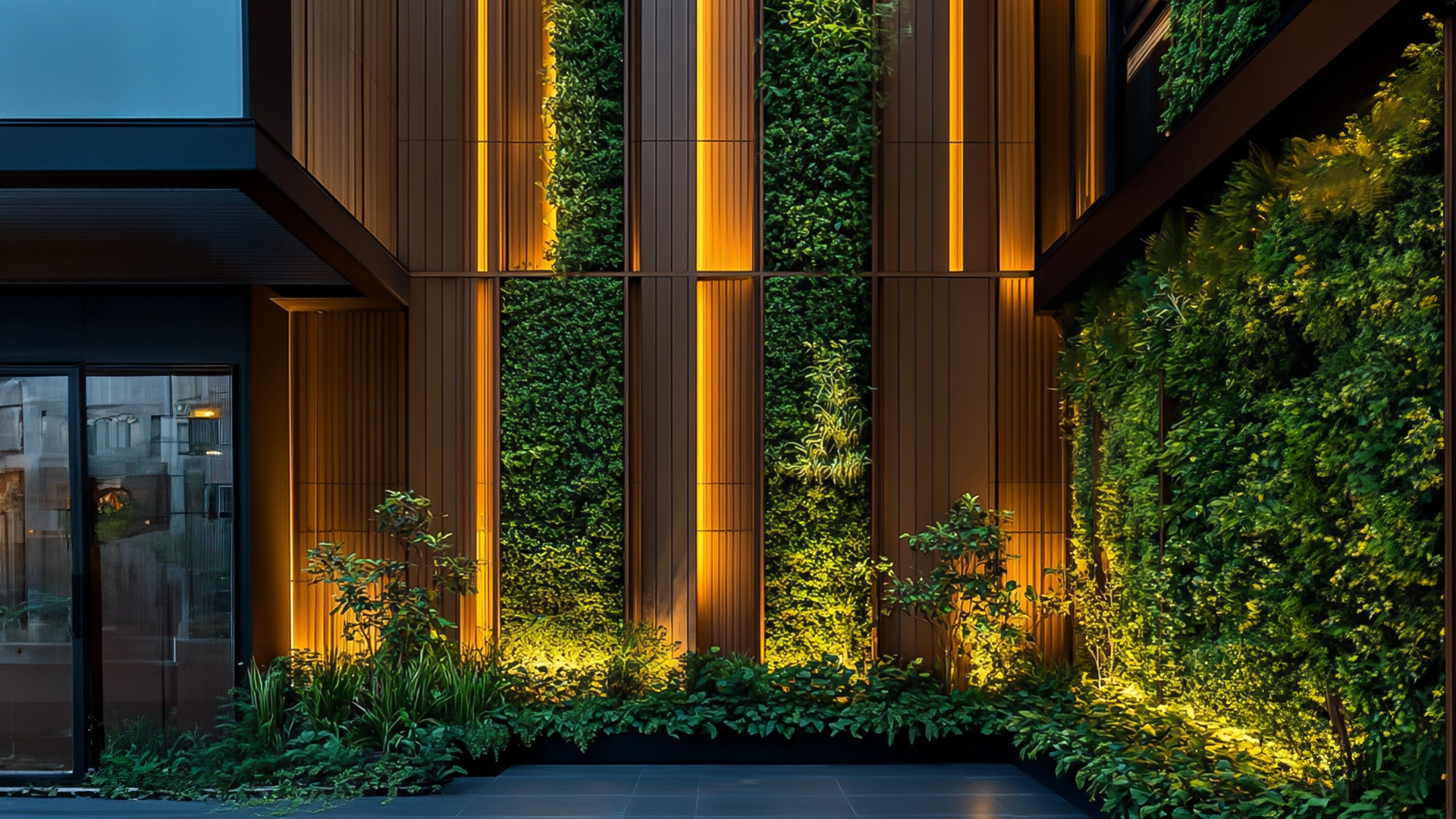
Biophilic design aims to improve the quality of life by enabling people to establish a stronger connection with nature. Interiors and exteriors created using natural elements, plants, water elements and natural light create healthy living spaces, both aesthetically and functionally. LED lighting technology is one of the most powerful aids to biophilic design because it mimics nature’s light cycles, giving spaces a natural atmosphere.
Effects of LED Lighting in Harmony with Biophilic Design
Because LED lights have the capacity to simulate natural light tones and color temperatures used in biophilic design, interiors feel like a part of nature. In particular, warmer light tones in the morning and cooler lights towards noon create an environment in harmony with natural light. This is not only aesthetic, but also an important factor for spiritual and psychological relaxation. This type of lighting makes living spaces more comfortable and calming.
Sustainability and Eco-Friendly Design
An important aspect of biophilic design is environmental awareness. LED lighting makes a significant contribution to the eco-friendly features of biophilic design. LED lights, which consume much less energy and last longer than traditional lighting systems, minimize environmental impacts. In this way, while creating living spaces in harmony with nature, unnecessary resource consumption and waste are also reduced.
The green roofs, natural materials and landscape elements used in biophilic design lay the foundation for creating an environmentally friendly living space. Combining LED lighting with these designs increases environmental sustainability and further strengthens the connection to nature. Designing not only interiors but also exteriors with dynamic lighting that mimics natural light offers an eco-friendly aesthetic.
LED Lighting for a Future in Harmony with Nature
In the future, the combination of biophilic design and LED lighting will make it possible to create more sustainable and nature-friendly living spaces. Designs that integrate these two elements are not only aesthetically pleasing, but also increase environmental sensitivity. The eco-friendly and nature-respecting features of LED lighting will become an important part of modern architecture, and these designs will enable cities to become more in harmony with nature.
Functional Lighting and Biophilic Design
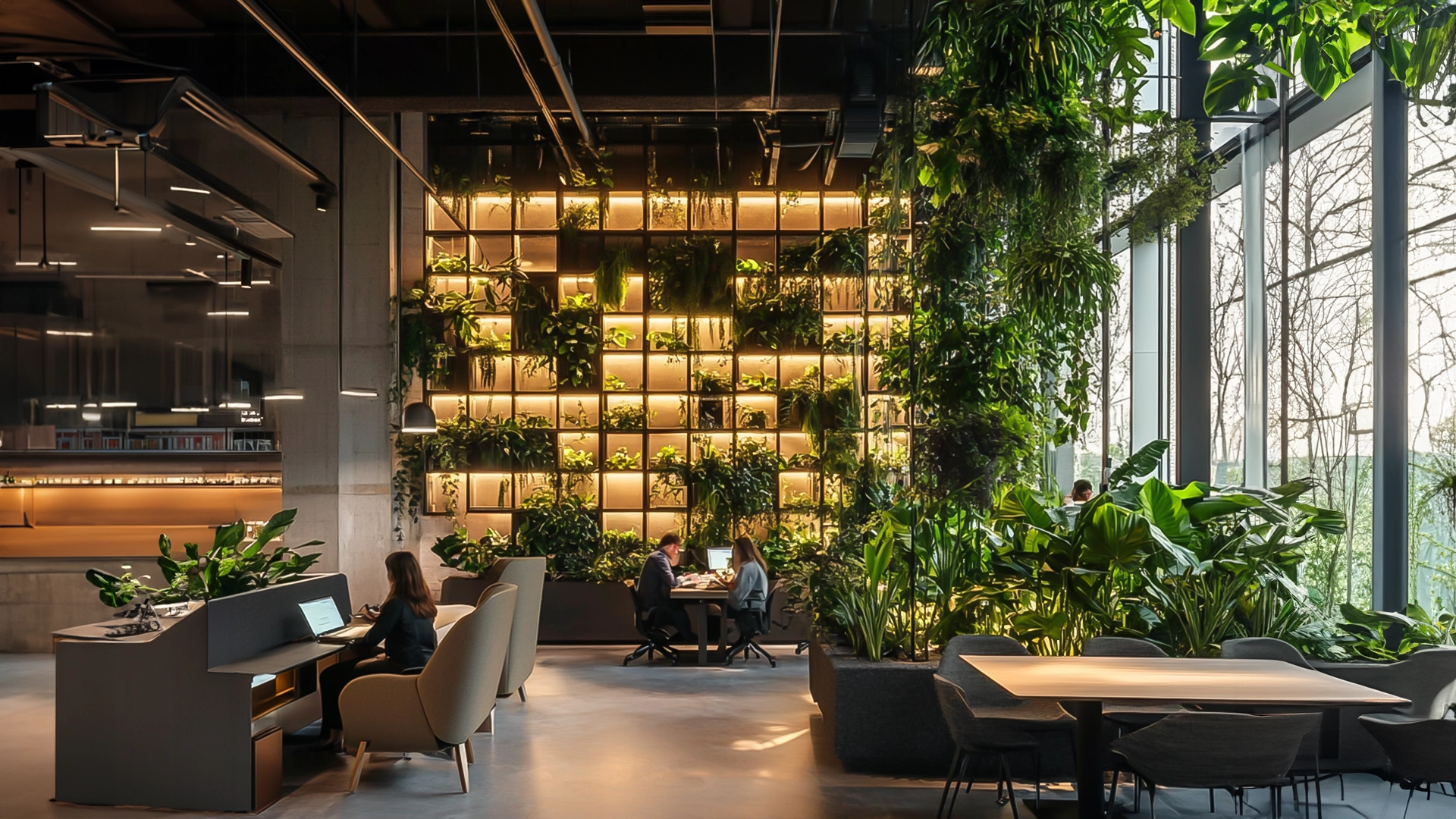
LED lighting also reinforces the functional aspects of biophilic design. In accordance with the purpose of the space, LED lights adapt to natural light cycles and can be adjusted to different time periods. In offices, warm tones can be used in the morning to provide a near-natural light, while cool tones can be selected towards noon. This flexibility helps to utilize spaces efficiently and brings the effects of nature indoors.
LED Lighting on Exterior Facades
On exterior facades, LED lighting also becomes an important part of biophilic design. At night, illuminating buildings in accordance with natural light tones provides aesthetic and environmental harmony. Such applications ensure that exterior spaces are in harmony with the natural environment, enabling nature-friendly buildings to be built in cities.
Healthy and Sustainable Living Spaces of the Future
In conclusion, the combination of biophilic design and LED lighting strengthens people’s connection to nature, while taking an important step towards environmental sustainability. These harmonious designs will make healthy, efficient and eco-friendly living spaces even more common in the future.